


Gluten Intolerance

Gluten Intolerance, What Does It Look Like For You?
Bloating which shows up hours after eating. Fatigue that no amount of sleep fixes. Skin which flares up for no obvious reason. A foggy head that makes getting through the afternoon feel like hard work.
These are the kinds of symptoms people bring to me, often after months or years of trying to figure out what’s going on. And gluten, as many people often suspect, turns out to be part of the picture.
This article covers gluten intolerance symptoms, what to cut out, what to eat instead, and how to work out whether gluten is causing your problems in the first place.
What Is Gluten?
Gluten is a protein found in wheat, barley, rye, and sometimes oats (when they’ve been processed alongside wheat). It’s what gives bread its chewy texture and helps baked goods hold together.
For many people, that’s no problem at all. But for a significant number of us, gluten triggers an immune response. That response causes inflammation in the gut, can damage the gut lining over time, and affects a wide range of symptoms that have nothing to do with digestion.


Gluten Intolerance vs Coeliac Disease: Not the Same Thing
This is worth clearing up because people often use the terms interchangeably, and they aren’t the same.
Coeliac disease is an autoimmune condition. When someone with coeliac disease eats gluten, their immune system attacks the lining of the small intestine. The damage is real and serious, and the condition requires strict, lifelong avoidance of gluten. Around 1 in 100 people in the UK have it, but many are still undiagnosed.
Non-coeliac gluten sensitivity (what most people mean when they say “gluten intolerance”) is different. There is an immune response, but the damage to the gut lining is less severe. Symptoms can still be significant though, and they respond well to removing gluten from the diet.
If you’ve been told your coeliac test came back negative but you still feel better without gluten, that’s not surprising. They are different conditions. And if you haven’t been tested at all, it’s worth doing that before you try to eliminate anything.
Why Do Some People React to Gluten?
This is a question that doesn’t have one simple answer, but there are a few things that seem to make a real difference.
Genetics plays a role. Certain genetic variants (particularly HLA-DQ2 and HLA-DQ8) are present in most people with coeliac disease, and also appear more often in people with non-coeliac gluten sensitivity. That said, having these genes doesn’t mean you’ll definitely react to gluten. It just means you may be more susceptible.

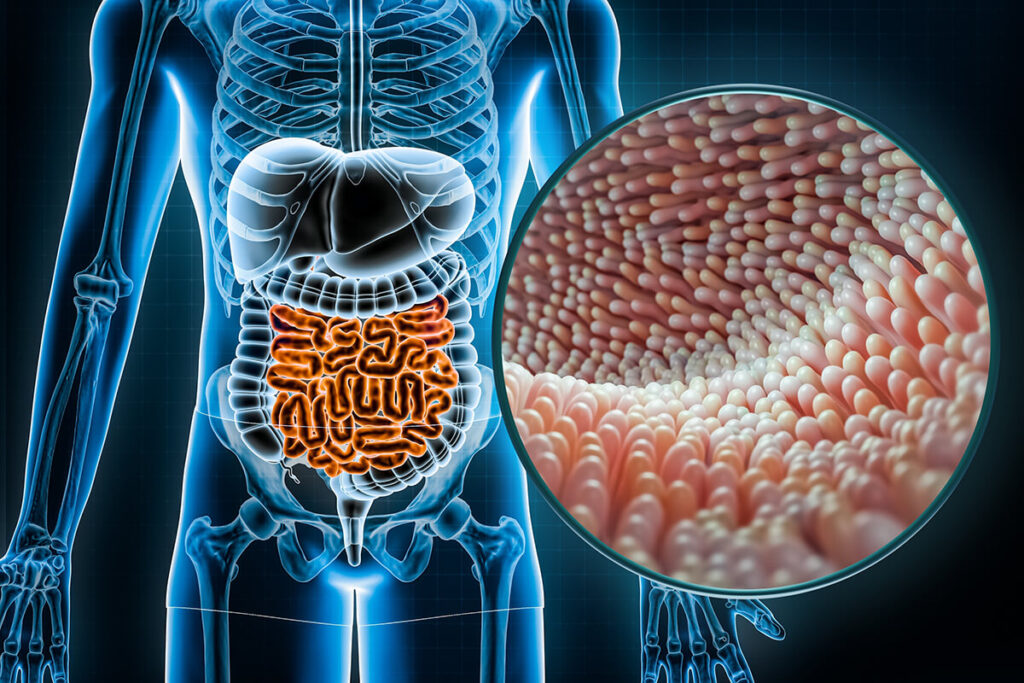
Gut Microbiome Imbalances Matter.
The bacteria that live in your gut play a significant role in how your immune system responds to food. When that balance is disrupted (through antibiotics, illness, stress, or diet), the gut lining can become more permeable and less able to manage inflammatory triggers like gluten. This is sometimes referred to as “leaky gut,” though the clinical term is increased intestinal permeability.
The Immune System Gets Involved
In gluten intolerance, the immune system identifies gluten proteins as a threat and mounts a response. That response causes inflammation. Where the inflammation lands in the body largely determines what symptoms you experience, which is why two people with the same intolerance can feel very different.
Dr. Tom O’Bryan has written and spoken extensively on this, particularly on the connection between gluten, gut permeability, and systemic inflammation. His work is worth reading if you want to understand the science in more depth.

Why Modern Wheat Is Different
Something worth understanding is that wheat today isn’t what it was 50 or 60 years ago.
From the late 1950s, farmers began crossbreeding wheat to grow faster and produce higher yields. The result was a grain that worked better commercially, but with a different nutritional profile and different proteins. Dr. William Davis, author of Wheat Belly, has written extensively on this. His view is that modern wheat contains significantly higher levels of inflammatory proteins than the wheat used in previous generations.
What that means in practice is this: even if you’ve eaten wheat without obvious problems for most of your life, it’s possible that the wheat has changed more than you have. Some people who react to modern wheat find they tolerate ancient grains like spelt or einkorn much better. Others need to remove gluten entirely to see a difference.

Foods to Avoid on a Gluten-Free Diet
The obvious ones:
- Bread, pasta, and flour made from wheat and barley
- Beer and most malt-based drinks
- Rye bread and rye flour
- Oats, unless certified gluten-free (they’re often processed alongside wheat)
- Couscous, bulgur wheat, semolina, spelt, farro, and Kamut
What to look for on labels
- “Modified starch,”
- “hydrolysed wheat protein,”
- “malt extract,”
- “cereal binders” all indicate gluten.
- Products labelled “gluten-free” must contain less than 20 parts per million under UK law, so they’re your safest option when buying packaged food.

Avoiding Cross-Contamination
One thing that catches people out when they first go gluten-free is cross-contamination. You can eat entirely “free from” foods and still be exposed to gluten if you’re not thinking about how it spreads in shared spaces.
In Your Own Kitchen
- Use separate chopping boards, toasters, and utensils if other members of the household eat gluten-containing food
- A toaster used for regular bread will transfer gluten to your gluten-free bread, even if you don’t see it
- Butter, jam, and condiments can be contaminated if knives from regular bread go back into the jar. Keep a separate version, or use a spoon
- Check that your pots, pans, and baking trays don’t have scratches or grooves where gluten residue can hide
Eating Out
- Call ahead if you can, particularly for restaurants where bread is involved in cooking (pasta dishes, some sauces, fryers used for battered food) “Gluten-free menu” doesn’t always mean the kitchen is set up to avoid cross-contamination.
- Ask specifically; Fast food environments are high risk: shared fryers, shared prep surfaces, and high volume make contamination likely
- For people with coeliac disease, even small amounts of cross-contamination can cause a significant reaction.
- For those with non-coeliac gluten sensitivity, the threshold is usually higher, but it varies
If you’re just beginning to remove gluten and feel like you’re doing everything right but still having symptoms, cross-contamination in the kitchen is worth investigating.

Gluten in Unexpected Places
This one surprises people, but gluten shows up in some personal care and beauty products too. It matters more for people with coeliac disease than for those with a sensitivity, but it’s worth being aware of:
- Some toothpastes contain gluten
- Certain lipsticks and lip balms contain wheat protein
- Some shampoos and conditioners contain wheat protein
- Body lotions may contain wheat germ oil
- Some sunscreens and facial moisturisers contain gluten-derived ingredients
If you’re doing a strict elimination or managing coeliac disease, check ingredients or contact the manufacturer.
What You Can Eat: Practical Gluten-Free Alternatives
Removing gluten from your diet doesn’t mean removing variety. Once you know what to look for, there’s plenty to work with.
Naturally gluten-free foods:
- All fresh fruit and vegetables
- Meat, poultry, and fish (unprocessed)
- Eggs
- Dairy products (unless you’re also avoiding dairy)
- Rice, quinoa, corn, and millet
- Potatoes and sweet potatoes
- Beans, lentils, and chickpeas
- Nuts and seeds
Everyday swaps:
- For bread: gluten-free bread, rice cakes, wheat-free oatcakes, Ryvita Original
- For pasta: rice pasta, corn pasta, buckwheat pasta, quinoa pasta
- For cereals: Rice Krispies, certified gluten-free porridge, corn flakes, puffed rice

Gluten-Free Flours: A Practical Guide
This is where people get stuck, because most baking assumes wheat flour. The good news is there are many alternatives, and most are available in UK supermarkets or online.
Here’s a straightforward guide to what each one does:
- Almond flour: mild and nutty, good for cakes and biscuits, high in vitamin E and calcium
- Brown rice flour: versatile, works well in bread, cakes, sauces, and noodles
- Buckwheat flour: earthy flavour, great for baking and pancakes. Despite the name, it contains no wheat and no gluten
- Chickpea flour (gram flour): grainy texture, good for flatbreads and savoury baking, high in protein and fibre
- Coconut flour: mild flavour, absorbs a lot of moisture, good for bread and desserts
- Oat flour: good flavour and high in protein, but must be certified gluten-free
- Tapioca flour: almost tasteless, excellent thickening agent for sauces and pie fillings
- Sorghum flour: mild and slightly sweet, high in fibre and antioxidants
- Teff flour: high in calcium and vitamin C with a good protein content
- Amaranth flour: earthy and nutty, good for tortillas and flatbreads
- Cassava flour: good all-purpose substitute, also grain and nut free
- Corn flour: works well for breads, tortillas, and pizza bases
- Arrowroot flour: great thickening agent, high in B vitamins
- Potato flour: good for adding binding and moisture to baked goods
A few things to bear in mind: these flours behave differently from wheat flour, so expect a bit of trial and error at first. Some are processed in facilities that also handle wheat, so if you’re coeliac, always check the label carefully. Once you have a few in the cupboard, the experimenting is genuinely enjoyable.

So How Do You Know If Gluten Is the Problem?
The honest answer is that the most reliable way to find out is to test.
An elimination diet, where you remove gluten completely for three to four weeks and then reintroduce it, can give you useful information. But it takes time, cross-contamination is easy to miss, and the symptoms don’t always show up immediately after reintroduction, which makes it hard to read.
A food intolerance test looks at your immune response to a range of foods, including gluten and wheat, and gives you a clearer starting point. [LINK: Food Intolerance Test Kit]
If you’re concerned that you might have coeliac disease specifically (particularly if you’re losing weight, have severe digestive symptoms, or are showing signs of anaemia), speak to your GP before removing gluten. The blood test for coeliac disease only works if gluten is still in your diet.
And if you’d prefer to talk it through before deciding what to do, that’s exactly what an appointment with me is for.
About The Author
This article was written by Iona Urquhart, a qualified nutritionist and founder of TESTme Health
Iona has spent over 15 years working in personalised nutrition and preventative health, helping individuals better understand how food, gut health and lifestyle factors may influence ongoing symptoms such as digestive discomfort, fatigue and brain fog.
Through TESTme, she focuses on helping people move beyond guesswork by combining food intolerance testing, gut health testing and practical dietary guidance to support clearer, more informed health decisions.
Important Note
The information in this article is intended for educational purposes and should not replace medical advice from your GP or healthcare professional. If you have ongoing symptoms or concerns about your health, always seek appropriate medical guidance.
Frequently Asked Questions
Can you develop gluten intolerance later in life?
Yes, you can. Many people eat gluten without any obvious problems for years, then start experiencing symptoms in their 30s, 40s, or beyond. Changes in gut health, stress, illness, or shifts in the gut microbiome can all affect how your body responds to food. It doesn’t mean something is suddenly wrong with you. It means your body’s tolerance has changed.
How long does it take to feel better after going gluten-free?
Most people notice some improvement within two to four weeks. Digestive symptoms often settle first. Skin, fatigue, and mood tend to take a little longer, sometimes several months, because inflammation takes time to calm down. If you’re not seeing any improvement after six to eight weeks, it’s worth looking at whether cross-contamination might be the reason, or whether something else is also involved.
Do I have to be completely gluten-free, or can I just cut down?
For coeliac disease, the answer is yes, completely. Even small amounts can cause damage to the gut lining. For non-coeliac gluten sensitivity, it’s more individual. Some people feel fine with occasional gluten. Others need to be strict to see a real difference. Testing and a structured elimination can help you understand your own threshold. [LINK: Food Intolerance Test Kit]
Is gluten-free food healthier even if you don’t have an intolerance?
Not necessarily. Gluten-free processed foods are often lower in fibre and higher in sugar and starch than their regular equivalents, because manufacturers need to compensate for texture and structure. If you don’t have a reason to avoid gluten, switching to processed gluten-free alternatives isn’t an obvious health benefit. Eating naturally gluten-free foods (vegetables, legumes, rice, meat, eggs) is a different matter entirely.
Can gluten intolerance affect children?
Yes. Children can develop gluten intolerance, and the symptoms sometimes look different to adults. Look out for persistent bloating, stomach pain after eating, changes in energy or mood, slow growth, or skin issues that don’t resolve. If you’re concerned, a GP referral for coeliac testing is the right first step. [LINK: Book an Appointment]
What’s the difference between a wheat intolerance and a gluten intolerance?
Wheat is a grain. Gluten is a protein found in wheat, but also in barley and rye. So if you have a wheat intolerance, you’re reacting to the wheat plant itself, which contains several proteins beyond gluten. If you have a gluten intolerance, you’re specifically reacting to the gluten protein, which means barley and rye are also a problem, even if wheat is removed. The two conditions are related but not identical. A food intolerance test can help clarify which one applies to you