


How Do I Know If I Have a Food Intolerance?

How Do I Know If I Have a Food Intolerance? A Food intolerance can be surprisingly difficult to spot.
Unlike a food allergy, which often cause a fast and obvious reaction, a food intolerance can be much slower and far less dramatic. Symptoms may show up hours later, or even days later, which makes it hard to join the dots between what you ate and how you feel.
That’s why so many people spend months, sometimes years, feeling “not quite right” without ever really knowing why.
If you have been wondering whether food could be playing a part in how you feel, here are some of the most common signs to look out for.
1. Symptoms Come and Go
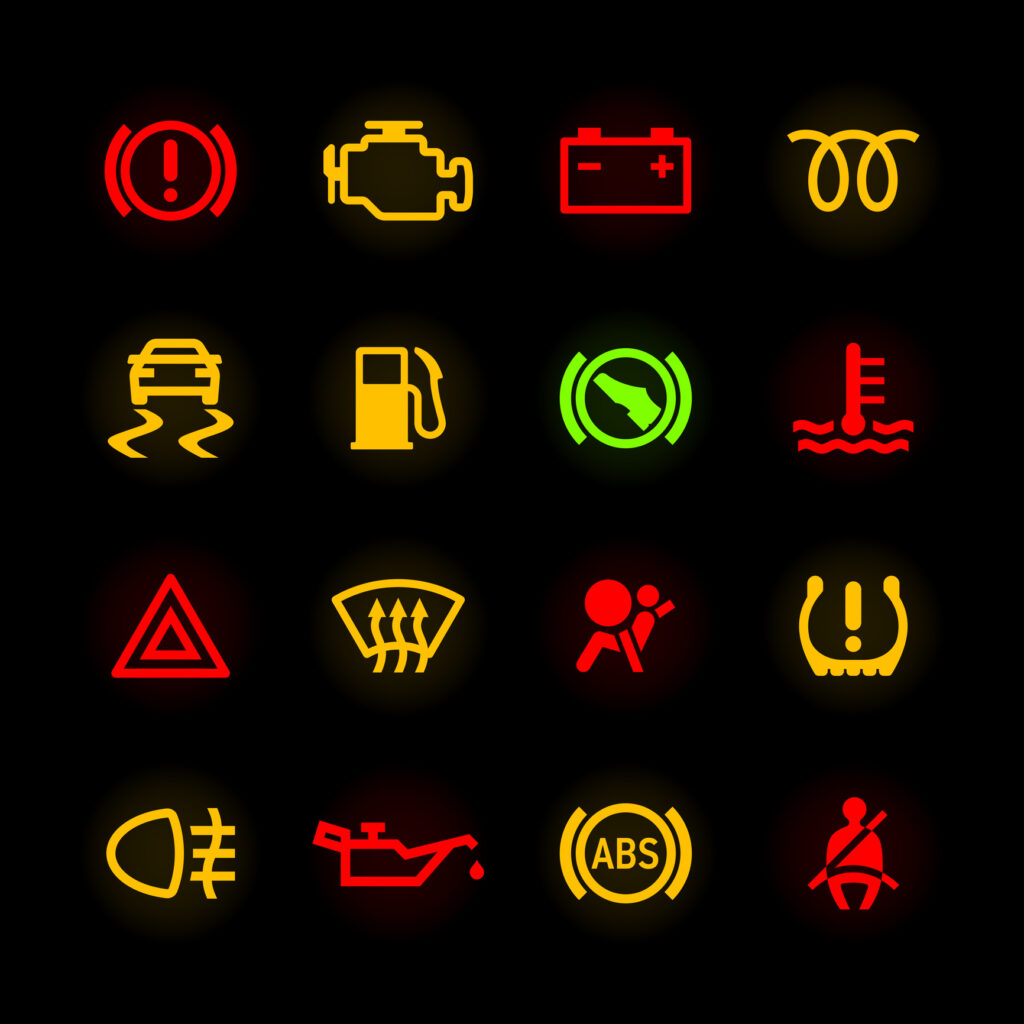
One of the biggest clues with a food intolerance is that symptoms can often ‘come and go’. It can be a bit like an intermittent fault in your car. sometimes the warning light is on, and sometimes it’s off!
You might have bloating one day, headaches the next, then feel absolutely fine for weeks. Because the reaction is often delayed and accumulative, it’s hard not to look at ‘what’s the last thing I ate, or who’s the odd man out’ – But that’s not how this works.
Common food intolerance symptoms can include:
• bloating/stomach discomfort/changes in bowel habits
• headaches/migraines
• fatigue/low energy/brain fog
• Asthma/sinus issues
• Eczema/skin flare-ups
• Joint pain/poor sleep

2. You often feel worse after eating, but can’t work out why.
Lots of people know they don’t feel great after meals, but identifying the issue can be problematic.
That’s because food intolerance reactions are not always immediate, and the IgG antibody responsible for reactions can carry up to a 72 hour delay. There is also the added complication that there can be several foods involved, along with other environmental and lifestyle factors.
It can be a build-up of certain foods over time, a food that tips your system over the edge when stress, poor sleep, medications or digestion are already not at their best.
We tend to look for one cause for every symptom, but the body doesn’t work like that. It works in harmony like an orchestra, and when one instrument is out of tune, the whole performance will suffer.
4. You have tried cutting foods out, and felt better.
Another clue is when you remove a food for a while and notice an improvement, even if it is only slight. This is a sure sign that the body is responding well to the change.
Maybe dairy seems to make you feel less bloated when you avoid it. Maybe cutting back on wheat leaves you feeling lighter. Maybe eggs, yeast or certain nuts seem to cause issues when eaten regularly.
This does not always give the full answer, but it can be a useful sign that food may be playing a part in what’s going on with your overall symptoms.


5. Digestive Issues
Digestion is often where the first signs appear.
That might mean bloating, trapped wind, nausea, stomach cramps, constipation, loose stools or simply feeling uncomfortable after eating. Sometimes these symptoms become so normal that people stop seeing them as a sign that something is off.
If your stomach often feels unsettled, especially after certain meals, food intolerance is one possible factor worth considering.
6. You’ve had the tests and your GP says ‘eveything is fine’
This is probably the biggest sign of all.
You know something’s not quite right, but can’t put your finger on it. Many people with food intolerances don’t always feel acutely unwell, symptoms can be more subtle.
When symptoms become part of everyday life, it is easy to brush them off. But feeling uncomfortable after eating, bloated most days, or tired all the time is not ‘normal’ and something you shouldn’t have to put up with.


7. Skin conditions
As our largest organ, the skin is often a good indicator of an imbalance in the body or gut. There is a well recognised connection between gut health and skin, which means digestive issues or food intolerances can sometimes contribute to skin symptoms.
When the body has increased inflammation, histamine responses, stress or digestive imbalance, some people may notice skin flare-ups such as rashes, hives, eczema or general skin irritation.
Some people also experience night sweats or unexplained flushing when the body is dealing with ongoing inflammation.
If certain foods are aggravating inflammation in the body, food intolerances may sometimes play a role in persistent or recurring skin symptoms which seem difficult to explain.
8. Feeling tired or Foggy For No Reason
Food intolerances do not just affect digestion.
For some people, they can show up as fatigue, poor concentration, brain fog or simply feeling flat and lacking motivation. When the body is repeatedly dealing with foods it is struggling with, it can quietly place extra pressure on the immune system and energy reserves.
This can sometimes create low-grade inflammation, which means the body is using energy to manage internal stress rather than directing it towards normal day-to-day functions like focus, movement and mental clarity.
As a result, people may find themselves feeling sluggish, struggling to concentrate, or reaching for caffeine and sugary snacks just to get through the day.

9. Joint Pain
Joint discomfort is not always the first thing people associate with food intolerances, but for some individuals it can be part of the picture.
When the body is repeatedly reacting to certain foods, it can sometimes contribute to low-grade inflammation. Over time this may leave some people noticing stiffness, aching joints or general discomfort, particularly in the mornings or after periods of inactivity.
This doesn’t mean food is always the cause of joint pain, but if symptoms seem to come and go without a clear explanation, or appear alongside other issues such as bloating, fatigue or headaches, it may be worth considering whether certain foods could be playing a role.
As with many food intolerance symptoms, the difficulty is that reactions are often delayed, which makes it harder to connect what you ate with how your body feels later on.

10. When Testing Is Helpful
If symptoms keep coming back and you are struggling to identify patterns on your own, testing can sometimes be a useful next step.
It may help highlight foods which could be contributing to ongoing symptoms and give you a clearer starting point, rather than relying on trial and error alone.
For many people, the real value is not just in the test itself, but in finally having something practical to work from.
TESTme’s Daily Recharge
Pear, ginger and blueberry smoothie
Ingredients
1 ripe pear
1 small handful blueberries
1 tablespoon ground flaxseed
1 small piece fresh ginger
1 tablespoon natural yoghurt or dairy-free alternative
1 cup unsweetened almond milk
Method
Blend everything together until smooth.
It is light, easy to make and gives you fibre, polyphenols and a little digestive support without being too heavy.

About The Author
This article was written by Iona Urquhart, a qualified nutritionist and founder of TESTme Health
Iona has spent over 15 years working in personalised nutrition and preventative health, helping individuals better understand how food, gut health and lifestyle factors may influence ongoing symptoms such as digestive discomfort, fatigue and brain fog.
Through TESTme, she focuses on helping people move beyond guesswork by combining food intolerance testing, gut health testing and practical dietary guidance to support clearer, more informed health decisions.
Important Note
The information in this article is intended for educational purposes and should not replace medical advice from your GP or healthcare professional. If you have ongoing symptoms or concerns about your health, always seek appropriate medical guidance.
Frequently Asked Questions
What are the most common signs of a food intolerance/Why am I always bloated?
Common symptoms can include bloating, digestive discomfort, headaches, fatigue, skin irritation and brain fog. Unlike food allergies, symptoms may appear several hours or even a day after eating certain foods.
How can I tell if my gut health is affecting how I feel?
Digestive symptoms such as bloating, irregular bowel habits, low energy or changes in mood can sometimes be linked to gut health. Looking at diet, lifestyle and possible food triggers can often provide useful clues.
Can testing help identify food triggers/Why am i always tired?
Food intolerance and gut health testing can sometimes help identify patterns and potential triggers, allowing individuals to make more informed dietary and lifestyle choices.
You may also find helpful:
• Why Am I Always Bloated?
• Why Am I Always Tired?
• How Do I Know If I Have a Food Intolerance?