


Testing
Food Intolerance Test at our Inverness Clinic
£95
Book an in-clinic consultation and food intolerance test measuring over 90 foods, drinks and additives including E numbers. Includes a full consultation with Iona. Suitable for ages 4 and up.
Book nowFood Intolerance Test at our Inverness Clinic
What is it?
A food intolerance test at the TESTme clinic in Inverness takes around 45 minutes and costs £95. It covers over 90 foods, drinks and additives, and is suitable from age four.
You’ll spend the appointment with Iona, a nutritionist with over 15 years of experience, going through your symptoms and health history. The test itself is non-invasive, with no blood sample, and you’ll get your results and a plan before you leave.
There are three test options, with support at our Inverness clinic.
- In-clinic test (£95): Carried out at the clinic, with no blood sample needed and results on the day.
- Gold blood test: Order your kit online and take your finger-prick sample at home, or book an appointment for Iona to take it for you.
- Junior blood test: Order your kit online and take the finger-prick sample at home, or book an appointment for Iona to take it for you.
If you’d like help with your Gold or Junior sample, bring your test kit to your appointment. Iona will take the sample, ready to send to the laboratory, and answer any questions while you’re there. There’s no extra charge for this service.
If you’ve already been to your GP, ruled things out and come away no further forward, you’re not alone. The clues are usually there, they just need connecting.
What happens at our in clinic food intolerance test appointment?
Your appointment takes around 45 minutes with Iona, and it covers three things:
- a conversation about your symptoms and health history
- the test itself – over 90 foods, drinks and additives including E numbers
- going through your results together before you leave.
Most of the time is spent investigating where things have gone wrong, and what’s driving your symptoms. We talk about when your symptoms started, and what’s going on for you just now. How you’re sleeping. What your digestion is actually doing. Stress, mood, how much water you’re drinking, any medication you’re on (or have been on). Whether anyone else in the family has something similar.
As a nutritionist, that’s the part I find most useful, and it’s often the part that gets missed. A short GP appointment doesn’t always leave room for that conversation, and it’s hard to piece it all together yourself at midnight on your phone.
Most people arrive at our Inverness clinic convinced it’s all about the food.
Don’t get me wrong, food will play it’s part. But it’s often one piece of a bigger jigsaw, and working out where the other pieces fit can be difficult on your own.
How does the clinic food intolerance test work?
Bio-resonance measures small changes in your body’s electrical response, as different test substances are introduced. Unlike the blood test, it doesn’t measure antibodies.
It isn’t a medical diagnosis, and I never present it as one. I use it as a practical starting point to narrow down a long list of possible foods into something much more manageable. You can then remove selected foods for a while and monitor how you feel, which is where the most useful information comes from.
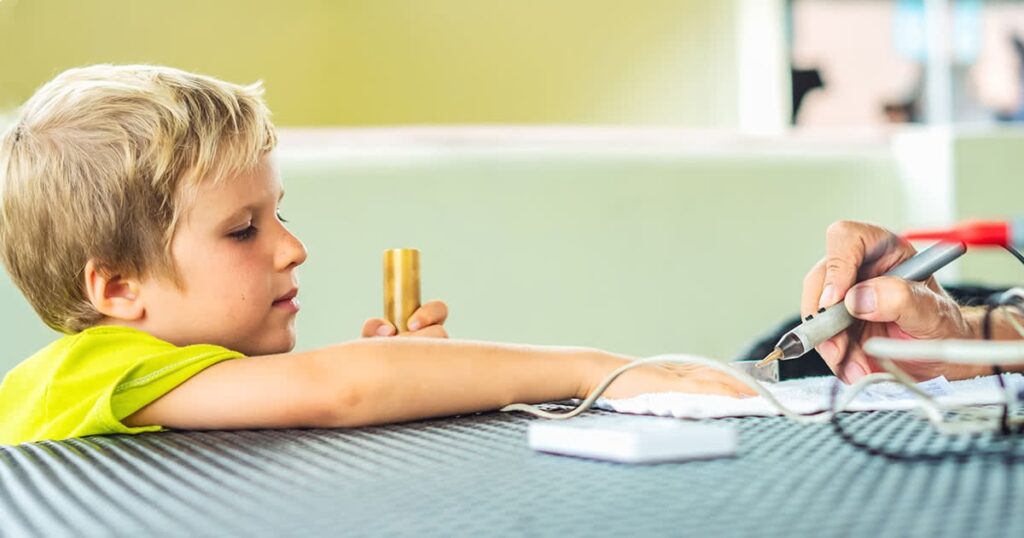

Alongside the everyday foods and drinks, it also covers additives:
- E numbers
- Artificial sweeteners
- MSG
That last part matters more than people expect, particularly with children.
If your child is fine at home, but struggles after parties, squash, or shop-bought snacks, it may not be the food at all. It’s worth knowing whether it’s an additive before you start removing major food groups.
It isn’t a diagnosis, but it does narrow things down. So instead of taking foods out one at a time for months and hoping, you start with the ones most likely to be causing trouble.
The test itself is the easy bit. What makes it worth doing, is having someone sit with you and work out what it means for you.
Other appointments
Two people together, £170.
Coming with a partner, or bringing a child along as well? One appointment covers you both, and it’s £20 less than booking separately.
Retest, £45.
If I’ve tested you within the last year, a 20 minute retest shows how things might have changed. Bring your original result sheet with you.
Bringing a Gold or Junior kit, £0.
Order your kit first, bring it along, and I’ll take your finger prick sample for you and answer any questions. Twenty minutes, no charge.

What will I take away from my appointment?
Foods are identified as we go, so you can see at a glance which ones are worth removing or reducing. You’ll leave with a clear plan of action, which foods to take out, for how long, and what to have instead. The TESTme Handbook follows by email, and you can contact Iona afterwards if you get stuck.
The result sheet is yours to keep. People bring it back when they retest, and it’s useful to be able to see what’s changed.
The TESTme Handbook is the practical side of things, and it’s built to dip into rather than read cover to cover. Going dairy free, going gluten free, what to buy… it’s all in there.
And then there’s the bit after. The first couple of weeks can be the hardest, and that’s usually when people email. There’s no charge for that. If it’s something I can’t answer over email, I’ll give you a ring.
Is the clinic test right for me?
The clinic test suits you if you’d rather sit down with someone than post a sample off and wait, if you’d like your answers the same day, or if you or your child would rather not do a finger prick. It’s available from age four.
It’s also the one to choose if you’ve been round the houses already, and you’d like someone to look at the whole picture with you. Sometimes, talking things through can help you turn a corner.
If you’d rather do it at home, or you want a larger panel, our Gold test covers 270 foods and drinks, and the Junior test covers 130 for children. Both use a finger prick sample you take yourself at home and send to our partner laboratory.
People travel from all over the Highlands and Islands for this test, so it’s built as a single visit. You leave with your results and knowing Iona is there if you need help.


Before you book
There are a couple of things worth knowing about our in clinic test.
You don’t need to eat something for it to show up. Unlike a blood test, this one doesn’t rely on antibodies, so foods you’ve already cut out will still be picked up. There’s no need to reintroduce anything before you come.
Don’t eat something you know makes you unwell just to have it tested. If you’ve been told to avoid a food, please leave it out.
Not sure this is the right appointment? Email me first. I’d much rather we have a quick conversation than have you book the wrong thing.

Common Questions
How much does a food intolerance test cost in Inverness?
The clinic test is £95. That covers the 45 minute appointment with Iona, the test itself, your results sheet, the TESTme Handbook by email, and support afterwards.
How long does the appointment take?
Around 45 minutes. You’ll get your results before you leave, so it’s one visit rather than two.
Does the test hurt?
No. There’s no blood sample and nothing invasive. It takes about 15 minutes and most people are surprised how little there is to it.
What age can children be tested from?
Four and up.
What is bio-resonance testing?
Bio-resonance records small changes in your body’s electrical response as different test substances are introduced. Unlike a blood test, it doesn’t measure antibodies or require a sample to be sent to a laboratory.
It isn’t a medical diagnostic test, and I never present it as one. I use it as a practical starting point to narrow down the foods worth looking at more closely. You can then remove selected foods for a while and monitor how you feel, which is where the most useful information comes from.
There’s more on what the NHS and the allergy bodies say on our laboratory partners page.
Where can I get a food intolerance test in Inverness?
You can book a food intolerance test at the TESTme clinic on Stephens Brae in Inverness.
The 45-minute appointment is with Iona and covers more than 90 foods, drinks and additives. You’ll receive your results before you leave, and the appointment costs £95. Testing is suitable from age four.
Everything is completed in one visit, which is particularly useful for anyone travelling from elsewhere in the Highlands and Islands.
Do I need a referral for a food intolerance test?
No. You can book directly with TESTme and don’t need a referral from your GP.
However, if you’ve experienced a sudden or severe reaction to food, or you think you may have coeliac disease, please speak to your GP first. These require different medical tests and cannot be diagnosed during this appointment.
Do I need to stop eating anything before I come?
No. Unlike a blood test, this one doesn’t rely on antibodies, so foods you’ve already cut out will still be picked up. Just carry on as normal.
Does it test for additives and E numbers?
Yes. Alongside the everyday foods and drinks, the clinic test covers E numbers, artificial sweeteners and MSG. That’s often the missing piece with children, particularly if they’re fine at home and struggle after parties or shop-bought snacks.
Will it tell me if I have coeliac disease?
No. Coeliac disease is an autoimmune condition and it has to be diagnosed by your GP with a blood test.
One thing worth knowing if you suspect it: speak to your GP before you cut gluten out. The NHS test only works properly while you’re still eating it.
Is this the same as a food allergy test?
No, and they’re very different things. Allergy is an immediate immune reaction and can be serious. Intolerance is less obvious, and symptoms can take up to 72 hours to appear, which is why they’re so hard to spot on your own.
If you’ve had swelling, severe hives or trouble breathing after eating, speak to your GP.
What if a lot of foods come back as a problem?
It’s usually less alarming than it sounds. A long list normally points at a few things you’re eating constantly, and once those come out for a while, things can settle down. We’ll go through where to start together, so it’s not so overwhelming.
Do I have to avoid those foods forever?
We suggest a twelve week avoidance as the usual starting point, then most people bring things back one at a time to see how they get on. That’s the part that really tells you what’s going on, and the Handbook takes you through it step by step.
What this appointment can’t do
The clinic test isn’t a diagnosis. It can’t tell you whether you have coeliac disease, inflammatory bowel disease or a food allergy, and it can’t rule those out either. Those need your GP and different blood tests.
Food allergy is a different thing entirely. Allergy is an immediate immune reaction and it can be serious. If you’ve ever had swelling, severe hives or trouble breathing after eating something, please speak to your gp.
If you’re being seen for anything, or you’re on regular medication, have a word with your GP before making big changes to what you eat. And if you’re taking several foods out for a while, particularly for a child, it’s worth mentioning so nothing important gets missed.