


There are two primary mechanisms of food toxicity, both capable of adversely affecting the body through dietary choices.
Firstly, if the immune system identifies a particular food as ‘problematic’ (for whatever reason) and triggers an IgG response, it no longer matters what you think about that food, and whether that food is healthy or not – this now becomes irrelevant.
Why? Because the body’s response involves triggering inflammation by way of IgG antibodies, and once the memory of that IgG antibody is activated, it will now respond in exactly the same (inflammatory) way every time you eat the offending food, leading to a plethora of symptoms.


Secondly, continuing to eat those same foods can directly influence the microbiome, and is now recognised as a primary instigator for resistant weight loss.
The relationship between exposure to inflammatory foods and their impact is quite straightforward: the greater the exposure to these dietary choices, the more weight-retaining microbiota you feed. This, in turn, sets the stage for an amplified inflammatory response within the body, creating a vicious cycle of increased inflammation and subsequent weight gain.

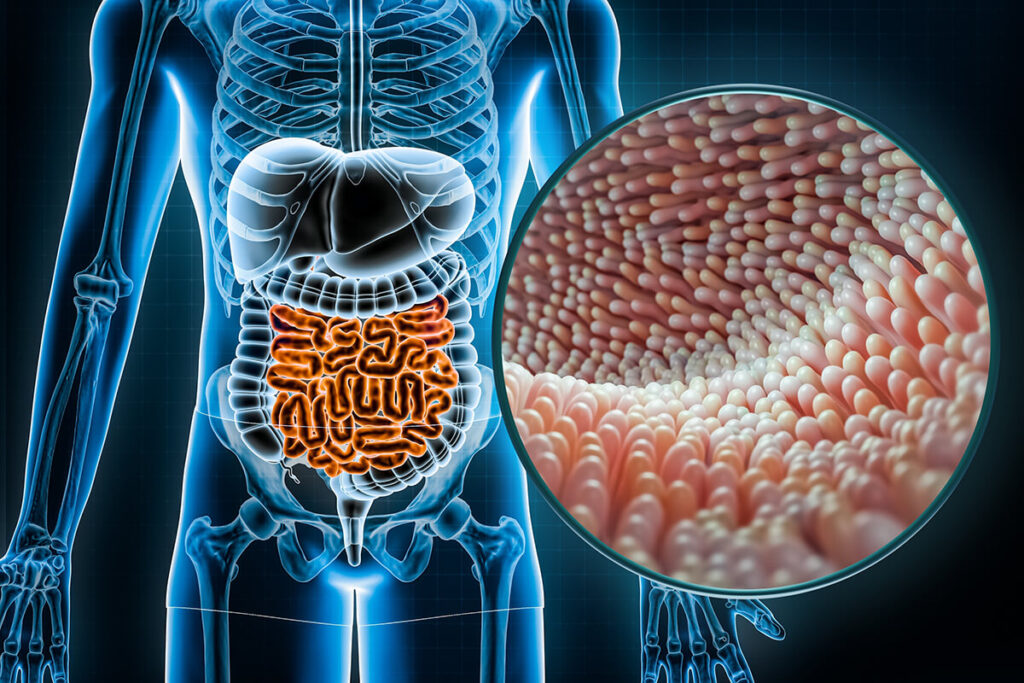

Make the connection…

Why Test Yourself
In order to be healthy and happy, you need to inhabit a healthy body. Much like our homes, our bodies require constant maintenance! However, if you don’t look after and maintain your body, where will you live!

Autoimmune Connection
Undetected autoimmune conditions can lead to an array of symptoms. These may not appear for years, leading to a delayed diagnosis. Identifying food triggers is a crucial step to help slow down and manage these conditions

Stress/Anxiety Connection
People are often surprised to learn that food intolerances and allergies can play a big role and have a direct impact on conditions such as stress, anxiety, and eating disorders.
The Kids Connection
Allergies can affect your child’s quality of life. Symptoms can be uncomfortable and interfere with sleep, behaviour, school performance, and other activities.