Top Ten Reasons to Avoid Gluten

The buzz around avoiding gluten is growing by the day. There are some fairly obvious, and some less obvious reasons for this. TESTme explores this minefield, and has compiled a top ten list of reasons to avoid gluten for 21 days.
If you’re suffering from bloating, food sensitivities, gas, fatigue, brain fog, auto-immune conditions, inflammation, body aches & pains or if you’re constantly getting sick… Then I have some important news for you.
According to leading integrative physicians like Dr. Mark Hyman, Dr. Josh Axe, Dr. Tom O’Bryan, Dr. William Davis and Dr. David Perlmutter, it’s likely your gut is out of balance which could be leading to gut dysbiosis, leaky gut and potentially an autoimmune condition.
So, if you’re saying yes to any of these symptoms, there’s one food which is often a contributor; Modern wheat and its infamous protein gluten.
What is Modern Wheat?
As Dr Davis points out, wheat produced today bears no resemblance to wheat of old. There’s a big difference between ancient grains and modern wheat, because not all wheat is created equal anymore.
In the late 50’s, farmers began to cross breed wheat for higher yields. More product, less growing time, equals more money! Great idea? Not so much. When they started hybridising wheat, the makeup of the grain itself changed.
In addition, the nutritional value decreased, and the later use of chemical fertilisers and pesticides rendered the soil depleted.
On top of this, gluten proteins in grains have morphed. Ancient grains still have gluten (but less so), and the makeup of that gluten was more easily processed and digested. Today’s gluten causes inflammation which can lead to a whole host of health (and gut) issues.


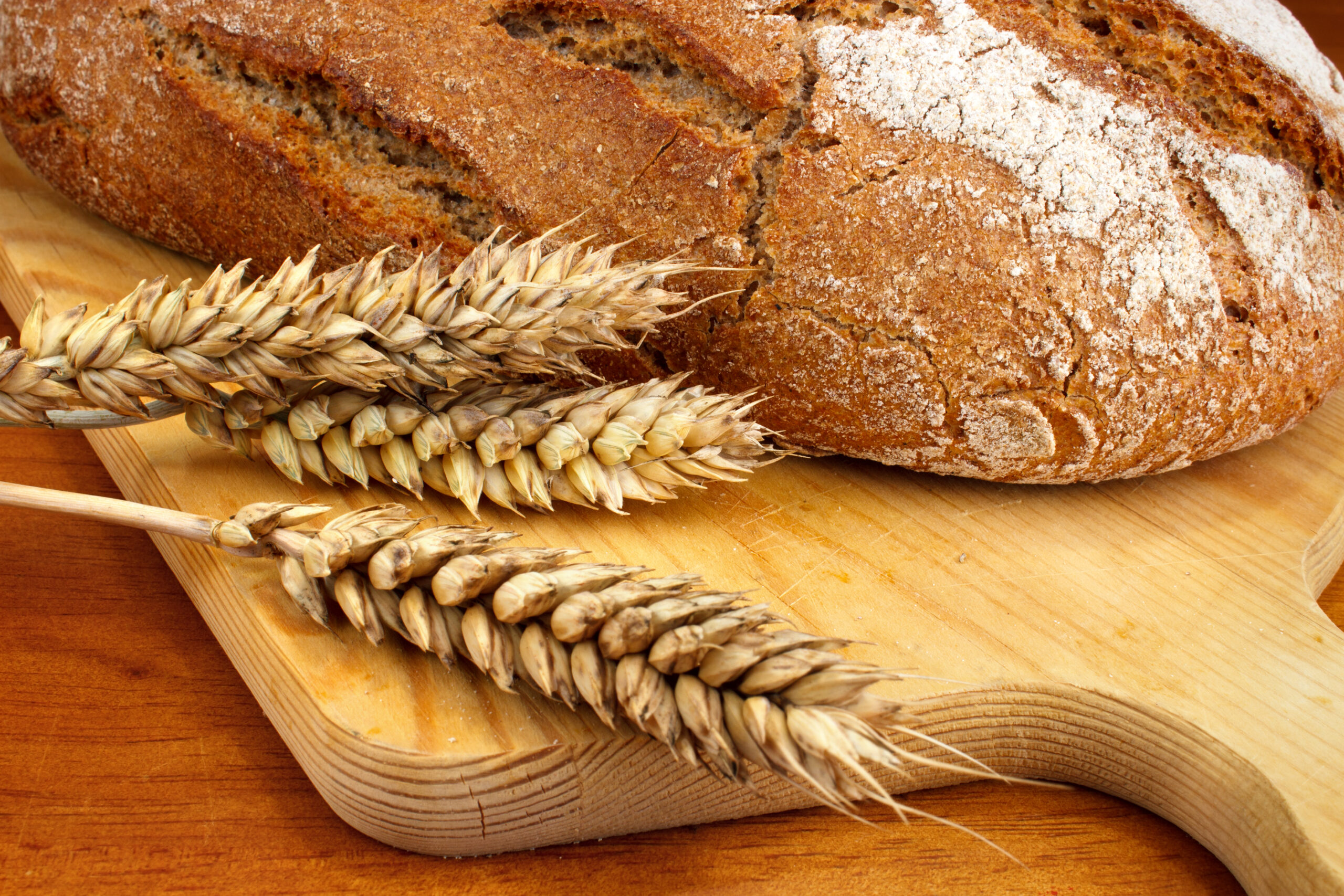
Ancient grains taste better
If you’ve eaten bread made with ancient wheats, you can taste the unique flavours they have. When you start eating real food with quality ingredients, the things you used to like, seem bland and flavourless.
There’s no question, using these ancient grains requires some effort. One challenge is when gluten-free dough is thickened with additives like starches and gums, it becomes sticky. This dough needs more moisture and is often difficult to knead with conventional methods, but in the long run, results can speak for themselves.
There is no shortage of recipes, videos, hacks and any number of influencers on Social Media, who share great information on this. So, get yourself online and start following some pages for great up to date tips on how to avoid gluten.
TESTme’s Top Ten Reasons To Avoid Gluten
- It raises your blood sugar and makes you store fat.
- Increases inflammation in the body leading to aches and pains
- Gluten damages the gut lining, which contributes to leaky gut and auto-immune conditions
- Modern wheat is sprayed with toxic cancer-causing chemicals such as Glysophate
- It negatively impacts brain health


And on Top of That…
6. Wheat affects your mood, brain fog and causes fatigue
7. It causes many skin conditions including acne and eczema
8. It’s in just about everything which is refined or processed
9. It increases bloating, gas and IBS symptoms
10. Contributes hugely to food intolerance
Dr. Hyman says;
“Flour acts more like sugar in your body than whole unprocessed grains. In fact, eating 2 slices of whole wheat bread raises your blood sugar more than eating 2 tablespoons of table sugar does.”
The hybridisation of wheat has resulted in an increase in gliadin and gluten proteins, which are inflammatory and increase the incidence of gluten sensitivity & coeliac disease.
Medical experts have begun to acknowledge the connection between gluten and non-pathologic joint pain. When people with coeliac disease, or a gluten intolerance eat gluten, the immune system is triggered, and this causes inflammation. While you might not notice the external signs of inflammation, like swelling and redness on your arm or leg, inflammation may present as join pain or aches.
When our bodies have an intolerance to gluten, it can cause the gut cells to release zonulin, a protein which can break the tight junctions of cells apart, causing ‘leaky gut’

The Autoimmune Connection
Every time your body is exposed to a dangerous invader, such as gluten, your immune system memorises the structure. It can then recognise it in future and develop an adequate defence to it. The problem however, is the molecular structure of gluten proteins are similar to different tissues throughout the body, including the thyroid gland. When attempting to digest gluten, the antibodies recognise the thyroid tissue as the invader, and the body begins to launch an attack on itself.


The Dementia and Alzheimers Connection
Dr. David Perlmutter, author of Grain Brain suggests we should all avoid gluten to help prevent these conditions. His research shows that people with lower blood sugar levels are at lower risk for developing Alzheimer’s disease and related forms of dementia. Modern wheat of course behaves like sugar in the body, keeping our blood sugar levels far too high.
The problem is that gluten is EVERYWHERE. It’s not as simple as cutting out bread (though that’s a great start). From breakfast to dinner, and even Friday night beers, gluten-containing grains such as wheat, barley, and rye have made it into just about everything we eat and drink!
Dry and itchy skin, rashes, eczema, psoriasis, acne and other skin conditions can also occur due to gluten intolerance and leaky gut. So, the best approach to improving skin health is to avoid gluten and wheat altogether to allow the gut lining to repair.
Conclusion
Avoiding gluten isn’t easy. However, given everything we know about the chaos it causes, it is always a good idea to avoid gluten where you can.
It is found in just about everything we eat which has been ‘processed or manufactured’. It is also found in many personal care items like toothpaste, vitamins, moisturisers, nail polish and many other items.
By reducing or avoiding completely, the gut’s broken barrier is more likely to repair. This in turn can reduce or even eradicate many chronic symptoms and conditions. So, pay attention to labels and do everything you can to raise your awareness around the benefits of avoiding gluten.
In terms of good physical and mental well being, it’s a no brainer!