


Anxiety – who are you, and where did you come from?

As with all good questions, there are usually a few (tricky) but important answers.
In this article, we delve into the fascinating world of how our gut health influences our emotional state and explore the underlying mechanisms which tie it all together.
The Gut-Brain Connection: Unravelling the Link Between Anxiety, Depression, and Inflammation
In the intricate web of human health, the connection between our gut and mental well-being is gathering more attention than ever before. Surprisingly, a deep-seated relationship exists between our gut microbiome, excess inflammation, and the development of anxiety and depression.
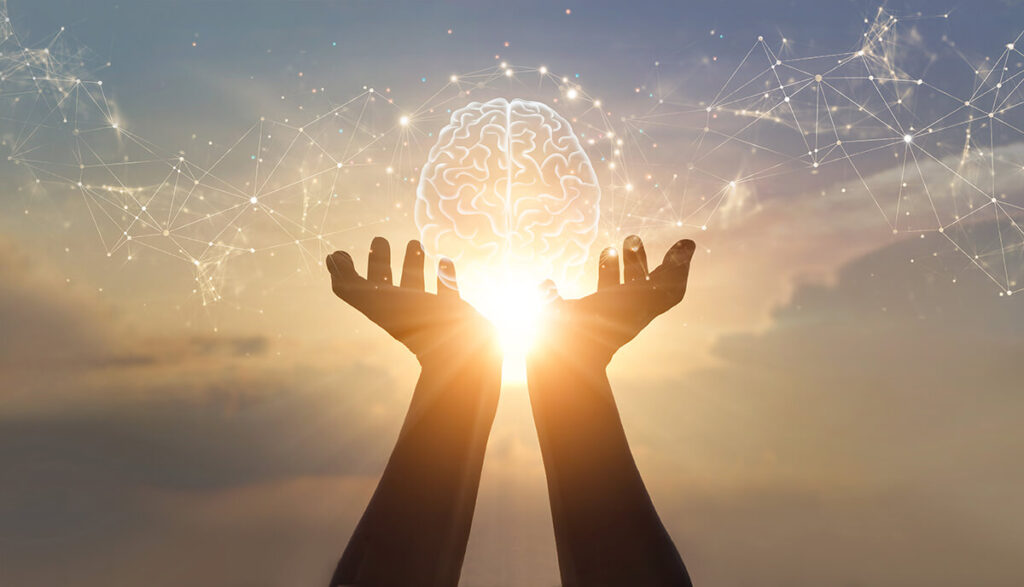
The Serotonin Story: Where does it come from?
Serotonin, often referred to as the “feel-good” neurotransmitter, plays a vital role in regulating mood and emotions. While the production of serotonin might seem like a straightforward process, it’s a bit more complex than that.

Serotonin is synthesized from tryptophan, an amino acid found in various foods. However, most tryptophan doesn’t directly convert into serotonin; instead, it can follow an alternative pathway leading to the production of kynurenic acid.
Research suggests Kynurenic acid acts as a neuromodulator (a hand on the steering wheel regulator) in the brain, where it can influence the activity of certain neurotransmitters, such as glutamate and dopamine. It is known for blocking the NMDA receptor, which can impact cognitive function and synaptic plasticity.
Synaptic plasticity is a dynamic and ongoing process that allows the brain to adapt to changing environmental conditions and learn from experiences. It is a key mechanism in the brain’s ability to rewire itself and recover from injuries. Researchers continue to study this to gain insights into how the brain functions and how it can be influenced in various neurological and cognitive conditions including schizophrenia, bipolar disorder, and neurodegenerative diseases like Alzheimer’s and Parkinson’s disease.
To add to the complexity, kynurenic acid contributes to the production of quinolinic acid—a substance which can inflict damage on the nervous system. This cascade of events is NOT the path we want our bodies to take, as it can be linked to inflammation on our brain.

Why is this important?
The twist in the tale comes with inflammation, and how it can be triggered by various factors. These factors include diet, food intolerances, toxicity, stress, and lifestyle, which can divert the conversion of tryptophan away from serotonin production, favouring the production of kynurenic acid instead. This biochemical diversion can result in reduced serotonin production, which, when coupled with inflammation, is further diminished.

“Our lifestyle choices weigh heavily in terms of charting the destiny of our brains, and no one seems to want to talk about that”.
Dr David Pelmutter MD – a board-certified neurologist, author and fellow of the American College of Nutrition
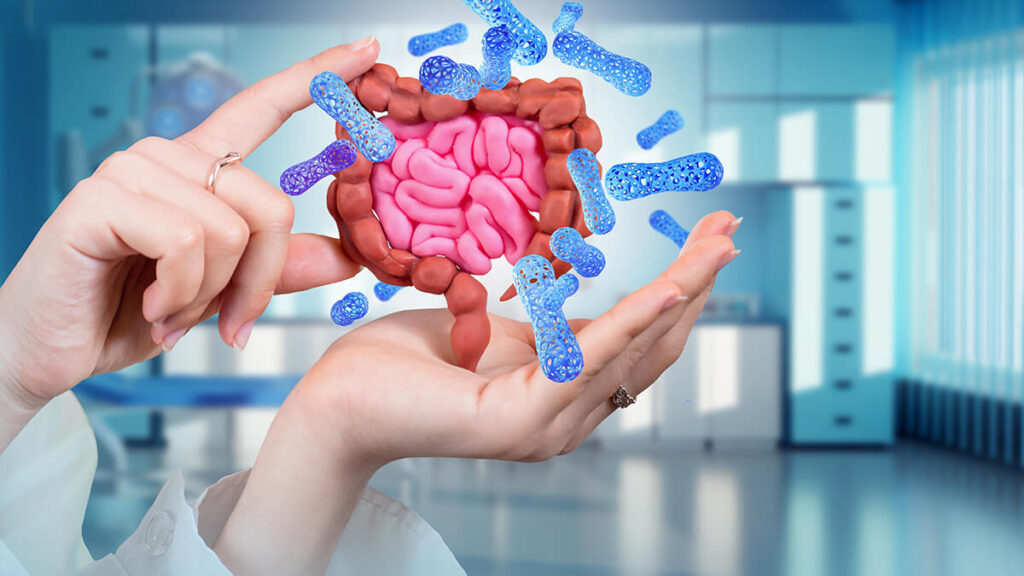
Guardians of Gut Health: The Microbiome’s Role
The gut microbiome is a thriving community of microorganisms in our digestive tract and plays a significant role in maintaining our overall health. These microorganisms aren’t just digesting our food, they’re also a sophisticated community directly connected to our mental well-being. The integrity of the gut lining and the balance of gut bacteria are the gatekeepers against inflammation.
Chronic inflammation can disrupt the delicate balance of the gut microbiome, which in turn leads to a reduction in serotonin availability. This is a double whammy; inflammation depletes serotonin production while destroying the gut bacteria balance.
This becomes the perfect storm for creating an environment for developing depression and anxiety.

Stress: A Dual Culprit
Enter stress, a common companion of modern life. The biochemical response to stress involves the release of cortisol, a hormone which can impact the gut and the brain – cortisol, while aiding us in acute stressful situations, can wreak havoc when produced chronically.
Notably, cortisol influences the gut microbiome diversity, potentially promoting the overgrowth of problematic organisms and depleting friendly ones. Furthermore, cortisol’s impact extends to the enzyme IDO, which has a role in steering tryptophan away from serotonin production and towards the kynurenic pathway.
Anxiety’s Link to Inflammation and Stress
Anxiety, which often bedfellows with depression, follows a similar course influenced by excess inflammation and stress. Inflammation and cortisol can undermine the connection between the amygdala -the brain’s fear centre, (which can be irrational) and the prefrontal cortex – the reasoning and calming part of the brain, (a bit like the adult in the room). This weakened connection can result in exaggerated anxiety responses even in non-threatening situations. This is why anxiety can seem to ‘come from nowhere’ when in fact, our biology running by default in the background plays a huge role.

We have the tools to restore this balance, and surprisingly it can be less daunting than you think –
A combination of dietary choices: removing inflammatory foods and those which you are intolerant to (to reduce inflammation), adequate sleep, mindfulness practices like deep breathing (to flood your cells with oxygen), meditation, spending time in nature, stress reduction techniques, and more, can help bring the adult back into the room by rebuilding the connection between the amygdala and prefrontal cortex providing relief for chronic anxiety.
Conclusion
Our understanding of the gut-brain connection is opening doors to holistic and non-pharmaceutical approaches for managing anxiety and depression. By addressing inflammation, nurturing a healthy gut microbiome, hydrating (to detoxify effectively) and managing stress, can potentially transform mental well-being. As research continues to unveil the intricate links between our gut and emotions, we’re presented with an empowering opportunity to take charge of our mental health from the inside out.